

Is Switching to a Smart Home Hard? Step-by-Step Beginner’s Guide

As technology advances, our living spaces are evolving from simple shelters into interactive environments that deliver customized comfort and tangible energy savings. However, for many homeowners, the concept of a smart home still carries the misconception of being an overwhelming process requiring chased walls, complex wiring, and exorbitant budgets.
So, is switching to a smart home genuinely as difficult as it sounds? Absolutely not. Thanks to modern modular devices and wireless protocols, you do not need to demolish and rebuild your property. You can easily transition into a connected ecosystem while preserving your existing electrical wiring. In this guide, we will break down the first steps for beginners, discuss budget planning, and explore how to set up a smart home from scratch.
Is Setting Up a Smart Home Hard? Debunking Common Myths
Hesitation around adopting smart home technology usually stems from outdated myths left over from early, hardwired industrial automation systems:
-
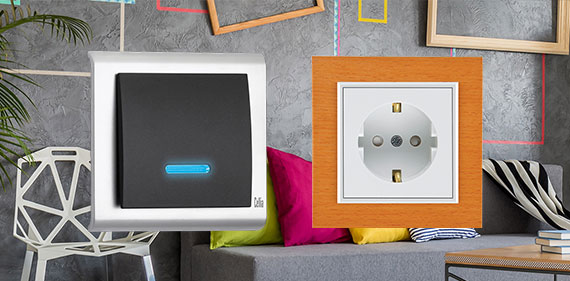
"All the walls must be torn down:" False. Modern smart switches and socket modules are designed to fit directly into standard European wall back boxes. You can upgrade traditional light switches to smart modules without any wall cutting or plastering.
-
"It requires a massive budget:" False. You do not need to automate the entire house in a single project. Starting with a single room or focusing solely on lighting control allows you to expand the ecosystem over time at your own pace.
-
"It is too complicated to operate:" False. Thanks to intuitive mobile dashboards and voice assistant integrations, managing smart devices is as straightforward as using any standard smartphone app.
For a detailed look at how these systems operate, an overview of cost structures, and their core benefits, check out our guide on what are smart home systems: features, advantages, and costs.
First Steps to a Smart Home: Where to Begin?
The most sustainable and cost-effective way to modernize your space is to take an incremental, step-by-step approach:
1. Needs Analysis and Priority Setting
Identify which comfort, safety, or energy-saving element matters most in your daily routine:
-
Turning off forgotten lights remotely after leaving the house?
-
Pre-heating or pre-cooling rooms before arriving home?
-
Cutting off phantom standby loads at sockets to reduce your power bills?
2. Starting with Smart Lighting
Smart lighting control represents the most popular and practical entry point into the connected home ecosystem. Replacing your standard wall switches with smart switch modules allows you to schedule timers, set dimming curves, and activate "Away from Home" lighting routines to improve security.
3. Integrating Smart Sockets and Safety
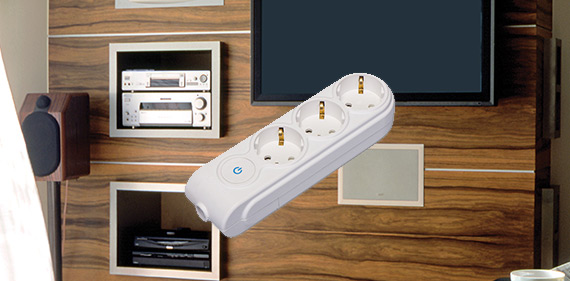
Upgrading outlets connected to appliances like irons, space heaters, or coffee machines with smart sockets mitigate electrical fire hazards and lets you monitor real-time energy consumption directly from your phone.
Upgrading Your Existing Infrastructure with Makel Solutions
As an established leader in electrical hardware, Makel offers versatile, modular options that integrate smoothly into existing installations. Fully compatible with standard wall boxes and junction conduits, these solutions deliver distinct practical advantages:
-
Upgrade traditional switches and sockets to connected modules quickly without modifying the existing wiring layout.
-
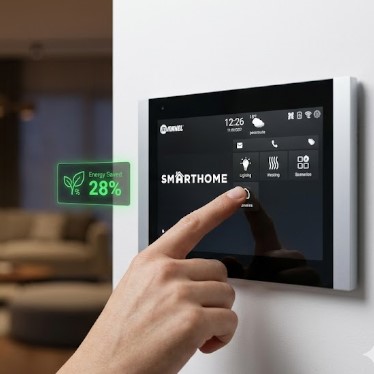
Manage lighting, motorized shutters, and power sockets across all rooms from a unified mobile application or central touchscreen interface.
-
Ensure complete operational protection against grid fluctuations with components built to rigorous international safety standards.
To discover innovative devices that add value and security to your living spaces, explore the full range of Makel smart home solutions.
Experience Next-Level Living Today
Upgrading to a smart home does not have to be an expensive or disruptive renovation project. With sensible planning and high-quality modular switchgear, you can transform your home into an efficient, connected space step by step. Makel's user-friendly, safe, and durable smart home technologies let you optimize your energy usage while elevating your daily living comfort.